
We are the ones who advise, and we are the ones who build.
Strategy, engineering and advisory aren't three departments here. The whole team sits side by side - from the first decision to running code.
How the house is put together.
 Frederik HvalkofCo-Founder & Co-Managing Partner
 Mikkel HempelCo-Founder & Co-Managing Partner
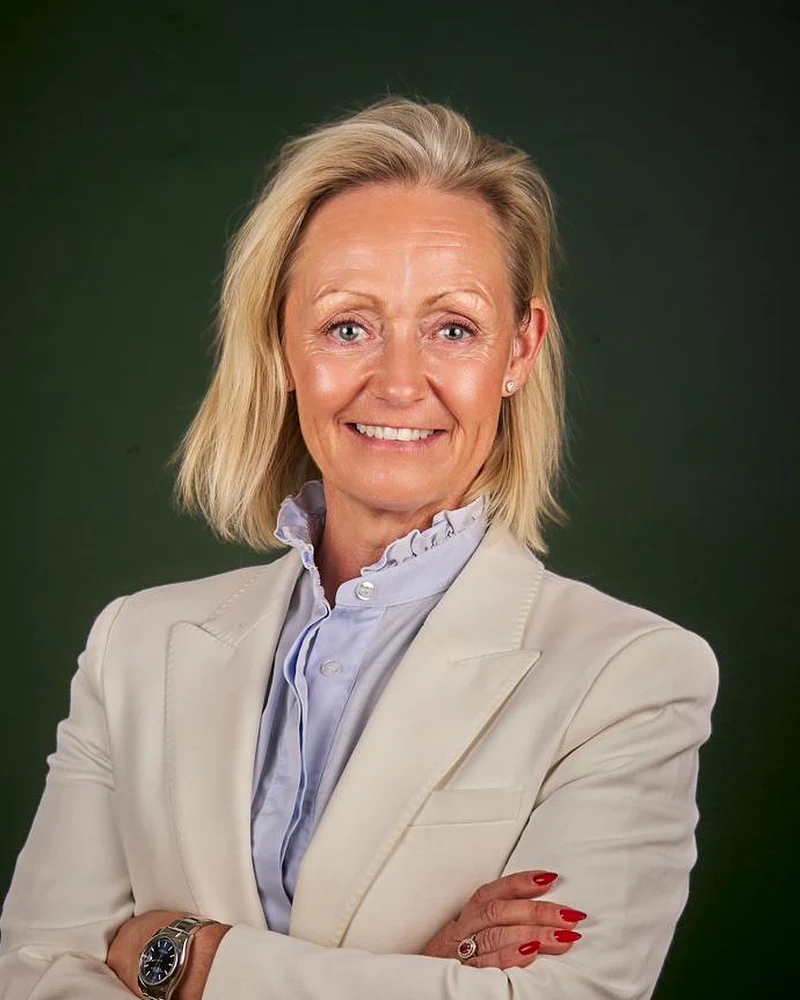 Erika Leistén GregersenCOO & Partner
 Ahmed ZewainHead of AI & DataTeam AI & Data
 Mikkel Møller JensenHead of EngineeringTeam Engineering
- Erika Leistén GregersenHead of Strategy & ExecutionTeam Strategy & Execution
- Erika Leistén GregersenHead of Business DevelopmentTeam Business Development
How we work - four beats, one engagement.
- 01 · Discover
We find the problem behind the problem
Technical audits, stakeholder interviews and a systems-level mapping of data, tools and decision points - so we understand what is actually holding you back before we recommend anything.
- Technical audit and data mapping
- High-potential workflows
- Prioritised by value, feasibility and risk
- 02 · Design
A plan shaped to your reality
The mapping becomes a strategic and technical plan that fits your actual infrastructure - built to evolve, not just to launch.
- AI roadmap across use-cases, data and governance
- Automation design across systems and approval flows
- Responsible AI frameworks and decision structures
- 03 · Integrate
We don't walk away when the plan is handed over
Implementation in close partnership: we sit in your day-to-day and troubleshoot in real time, until the solution is lived practice - not a document on the shared drive.
- Integration into existing systems and data platforms
- Human-in-the-loop controls
- AI combined with business rules
- 04 · Deliver
Impact you can measure - and a system that remains
Impact is measured in outcomes: unlocked data flows, shorter research cycles, faster decisions. And we stay with the system - support and operation with no expiry date.
- Testing and monitoring for reliability
- Auditability and governance in production
- Support, operation and further development
Open source
We put our work out in the open.
Saga 2 is an open Danish speech-to-text model, released under the Apache 2.0 licence. It pairs a Whisper-large-v3-turbo encoder with a Qwen3 decoder and is trained on Danish speech data including CoRal, FTSpeech and Common Voice.
The weights and model card are openly available on Hugging Face under Capacit's verified organisation. It is the same thoroughness we put into our clients' systems; here anyone can inspect it.
Read along where our work creates real value for our clients.
The engagements are laid out with the problem, the solution and the result. That is where the claims above either hold or don't.



The discipline is written down
Not culture promises, but the things that actually hold the house together - and that you can check.
Fridays for Each
Our internal Friday sessionOur own name for the recurring internal session where teams present their work, and how they create value in projects, to the rest of the house. A concrete ritual, not a poster on the wall.
How to PM & How to AI
Two living playbooksTwo living internal playbooks documenting how projects are run and how AI solutions are delivered. This is where “AI as a discipline” gets concrete: the discipline is actually written down.
See our open-source models on Hugging Face (opens in a new window)
How the days run
- Sprints every two weeks.
- Weekly status with planned tasks, risks/blockers and budget.
- Time is logged in Timely.
- Tasks are tracked in Jira/Linear.
- RACI matrices for decisions and dependencies.
The four project roles
Owns delivery, structure, the client relationship and the timeline.
Owns the technical expertise and the solution design.
Owns strategic direction, scope approval and budget.
Owns continued support and onboarding after the project ends.
How a project moves
- Scope & alignment
The Engagement Partner and S&E align stakeholders on needs, scope and expectations.
- Delivery & execution
The Project Lead drives structure, progress and delivery together with the developer.
- Handover to Business Development
The Project Lead gathers the knowledge and hands it to Business Development for onboarding and continued operation.
Feedback runs back through the whole engagement.